Peer pressure is hard – especially for teenagers growing up today. With the heavy influence of our friends and social media, it takes a while to realize that we are in full control of our lives and our decisions, that essentially make us who we are. Peer pressure is huge a problem with underage drinking amongst the youth. For young adults and teenagers growing up today, it is hard for us to establish our own morals and feelings; so we often follow others and their decisions for a sense of security. This can be hard when we don’t feel comfortable with the actions of others, and feel obliged to follow along despite of the risks.
In this article, I will discuss how teenagers are more susceptible to peer pressure leading to underage drinking, and the risks that come along with their decisions which can have negative consequences that affect them and others.
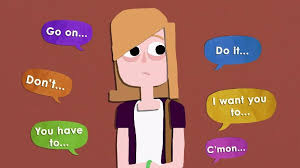
Influencing Factors
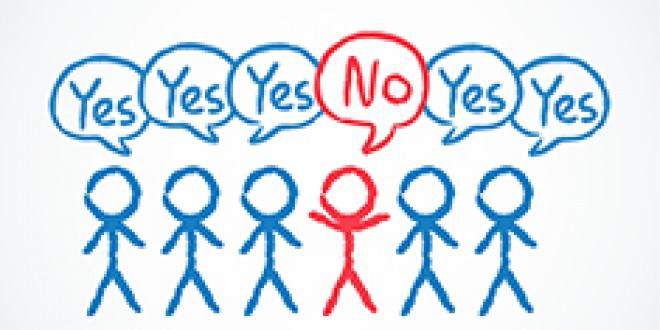
Teenagers face a lot of pressure on themselves out of spite for others. The pressure that we often put on ourselves as teens is that we aren’t “cool” or “fit in enough”. In terms of the brain, peer pressure is a state of anxiety: it’s the worry that, in order to be accepted, you must change yourself in ways you do not wish.
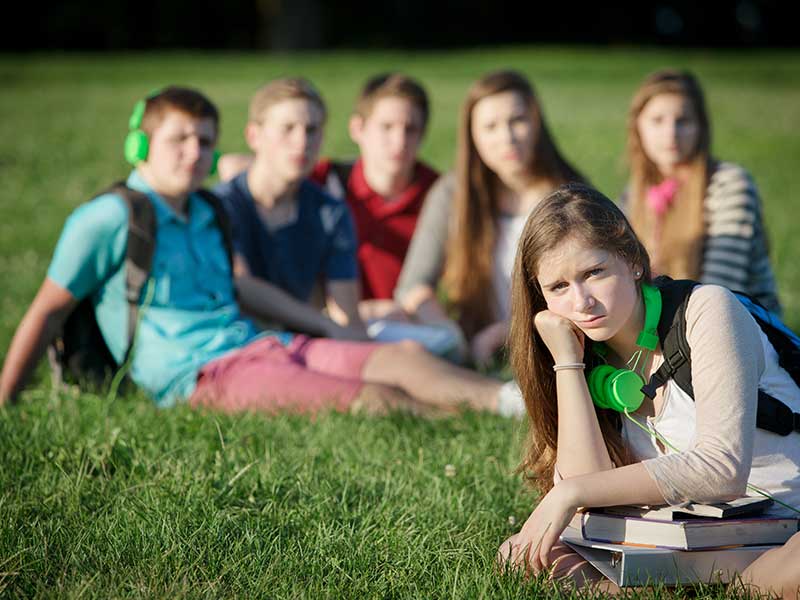
Peer pressure can be both overt and inadvertent. Direct peer pressure involves one person to another, with things like offering someone a drink explicitly or encouraging a person to drink. This may happen in a social situation like a party. Drinks may be refilled without asking for them to be; a person may buy another a drink; or someone may give another a hard time if they are not drinking. It may be difficult for a young person to “just say no,” as it may make them feel like an outcast. Others may even ostracize and socially isolate a person who decides not to drink. Direct peer pressure can also come in the form of an invitation to a social situation with the expectation that drinking will occur.
Peer pressure can also be less overt and more indirect. This form of peer pressure may occur as social modeling. For example, a group of popular students may all be drinking alcohol and they may be considered cool. Others will strive to also be seen in this same light and may then participate in the modeled behavior (drinking alcohol) to try and fit in with this social group, whether or not they are asked to join in.
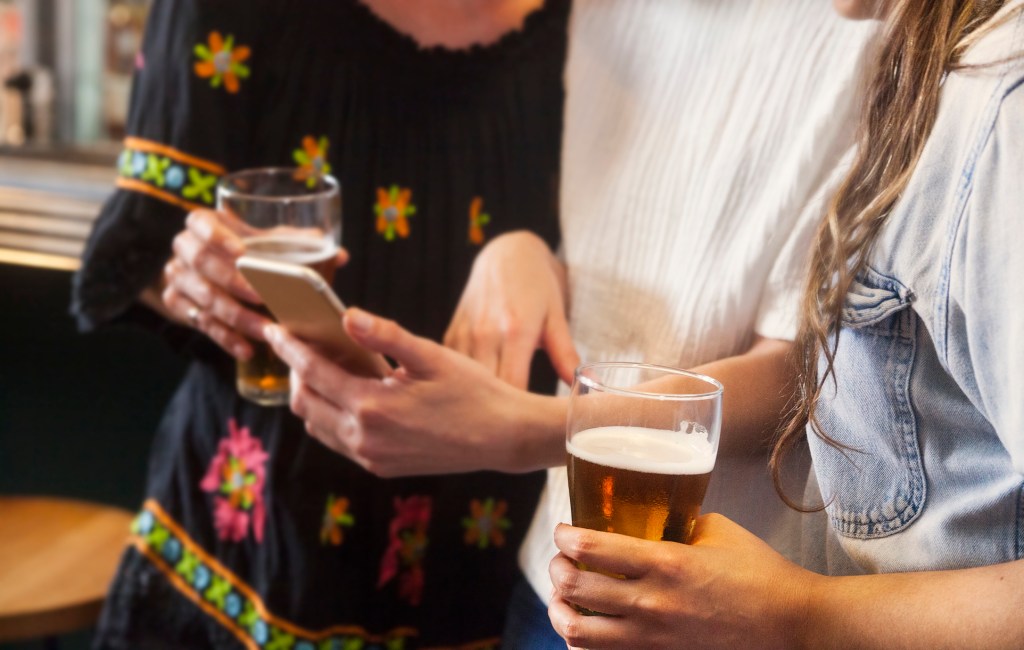
Seeing your friends post pictures of themselves at parties with alcohol can influence how you view “what is fun”. 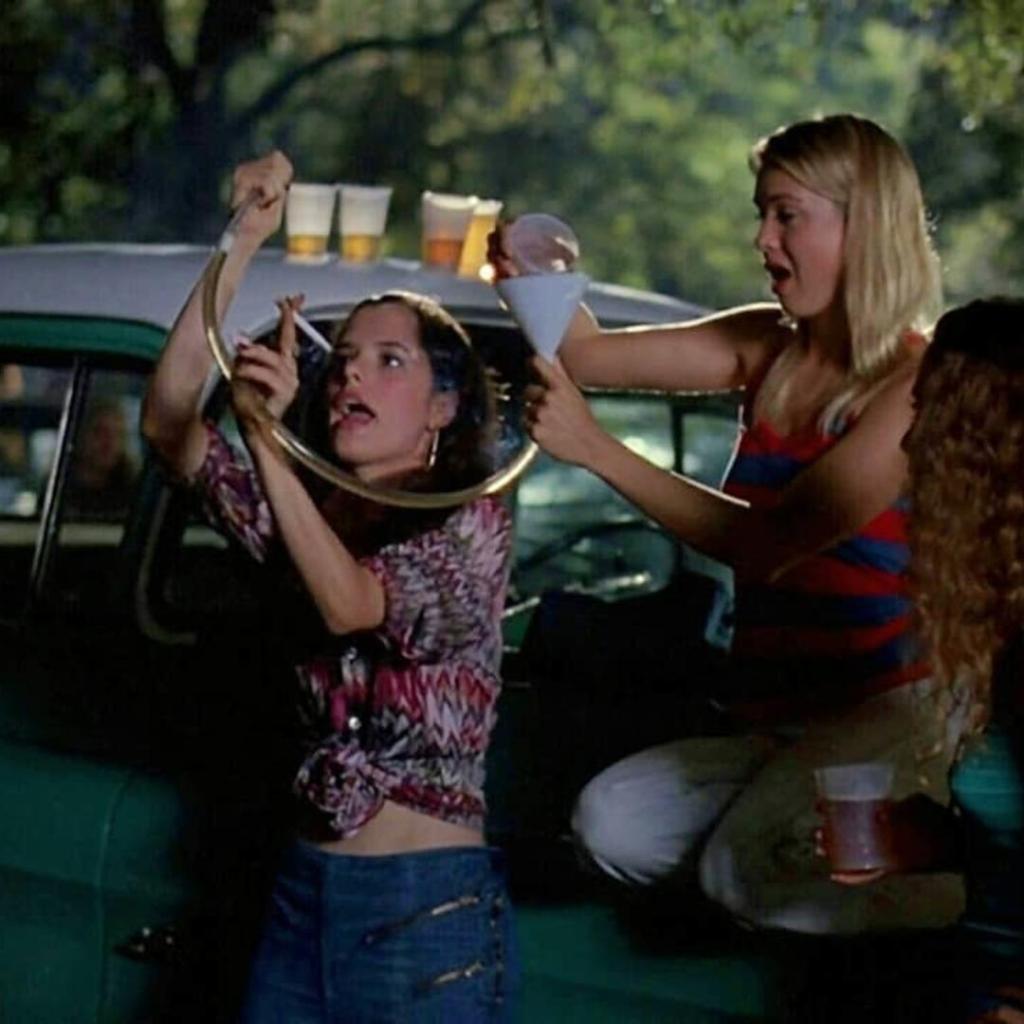
Movies where teenage characters drink like in “Dazed and Confused” can subtly influence teenagers into making the decisions that they see on the screen.
Social media plays a role, too. A study published by CBS News indicates that three-quarters of teens between the ages of 12 and 17 who saw their peers “partying” on social media were more likely to then do the same. These images often portray people having a good time, and surveyed teens who saw them were more than three times as likely to try alcohol. This form of digital peer pressure can expand a person’s peer circle and make people feel that they may be missing out if they are not also partaking.
Advertising and marketing can also influence perceptions, and show drinking in a more favorable light that can encourage underage drinking. Teens often look up to celebrities, and if they see them drinking, they may be more likely to try it, too.
Teenagers are also prone to exaggerating their exploits to make themselves appear cool or to advance themselves in the social hierarchy. It is entirely possible that they are not actually drinking as much as they claim to be; however, others may think that they are, and this social perception can lead to more drinking by those striving to fit in socially.
Risks
Underage drinking, especially heavy drinking and frequent, heavy drinking, is associated with numerous negative consequences. The consequences of alcohol use can be acute and immediate outcomes of a single episode of alcohol-impaired functioning, such as accidental death and injury, or they can be the accumulated and diverse effects of a chronic pattern of drinking, such as poor school performance and fractured relationships secondary to alcohol abuse and addiction.
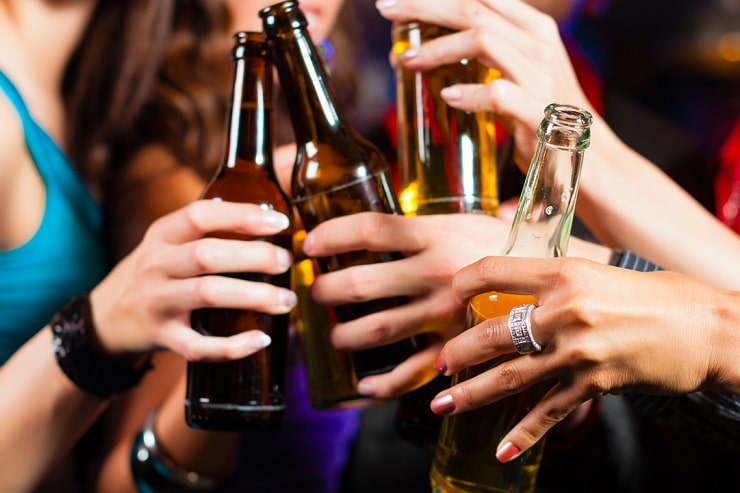
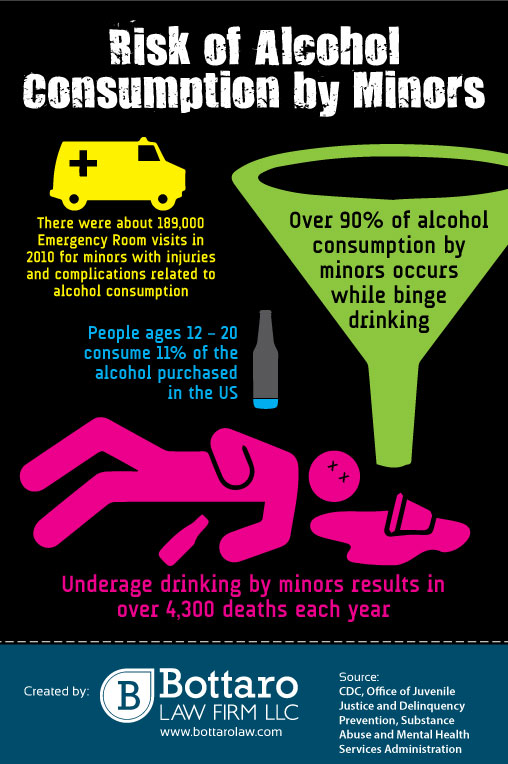
Drinking too much is a major cause of death from injuries among young people. Each year, drinking alcohol contributes to the death of approximately 5,000 people under the age of 21; this includes about 1,900 deaths from motor vehicle crashes, 1,600 as a result of homicides, 300 from suicide, and hundreds from other injuries such as falls, burns, and drownings
Strategies for Making Safe Decisions
You can say “no” to alcohol without looking uncool. In fact, if you are confident in with your decision and show that confidence when you say “no”, others will take notice. They will respect you for being bold and willing to stand-out.
Next time you are confronted about drinking, use one of the ways to say “no” below and say it with confidence – even if you need to fake it.
- Say that you are the designated driver
- Have a friend stay sober with you for support
- Hold a solo cup in with a drink in it (water or juice)
- Say that you have plans early in the morning
- Say that you’ve already had something to drink before
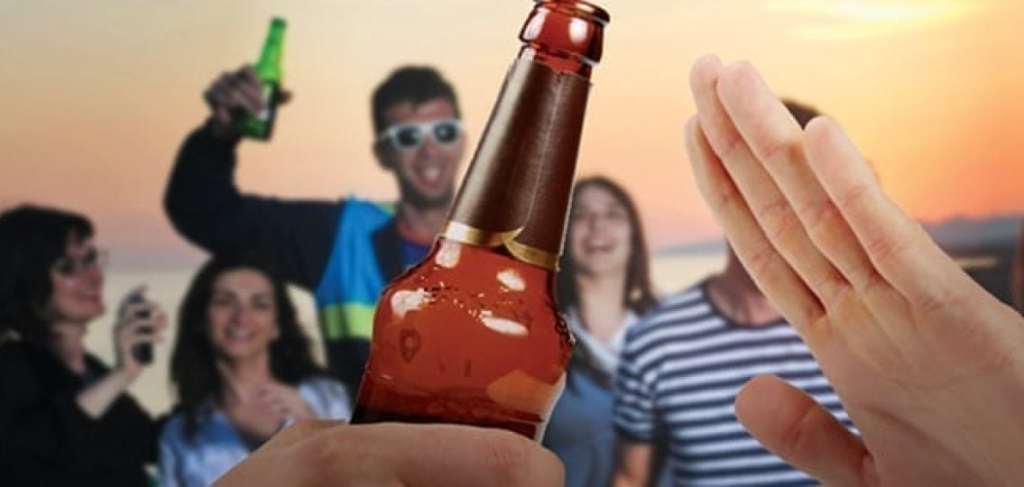
The people who you surround yourself with shouldn’t feel the need to pressure you into drinking. If you are with your friends, no one should feel the need to force you to do something that you do not want to do. Real friends support one another, not bring each other down!
Take Away Points
It is important to know that peer pressure plays a huge part in underage drinking. Peer pressure can be overt and inadvertent, so it is crucial to understand how both forms can influence teens into making bad decisions or decisions they are not entirely comfortable with. TV, celebrities, social media and advertising can make it tricky for a teen to decide what is right from wrong, and can influence the even more to make the decisions that might have negative consequences, but are deemed as “cool”. If teens decide to give into peer pressure, over 90% of alcohol consumption by teenagers is by binge drinking, so this can result in serious injuries and or fatalities. In essence, it is crucial to stand by your own decisions for the safety of yourself and others. Saying “no” isn’t always the best method of turning down a drink, so there are many other ways to decline without making it seem like you are refusing a drink. No matter where you are or who you are with – your decision is your decision, and no one should shame you for your choices.
Sources
https://www.alcohol.org/teens/peer-pressure-drinking/ https://www.drugrehab.com/addiction/alcohol/peer-pressure/ https://www.hazeldenbettyford.org/articles/fcd/peer-pressure-teenage-drinking https://www.niaaa.nih.gov/publications/brochures-and-fact-sheets/underage-drinking
 Site Title